

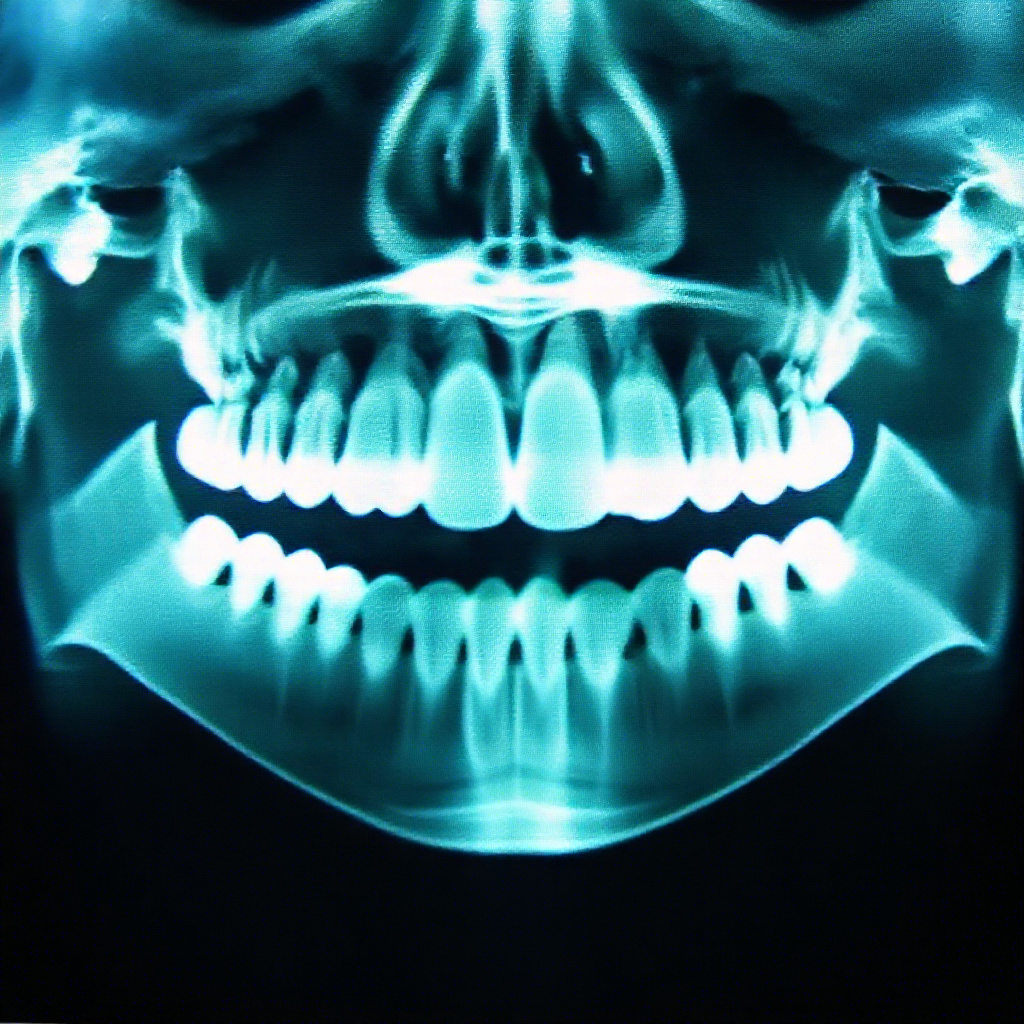
Dental X-rays are an essential tool in modern dentistry, allowing dentists to see beyond the surface and detect potential issues that aren’t visible during a regular dental exam. These images provide a detailed view of your teeth, bones, and surrounding tissues, helping to catch problems early and prevent more significant issues down the road. If you’re visiting a Greenville NC dentist, it’s important to understand the role dental X-rays play in maintaining your oral health.
Why Are Dental X-Rays Important?
Dental X-rays offer a unique glimpse into the hidden areas of your mouth that aren’t visible during a standard dental examination. These images are essential for diagnosing a variety of conditions, including tooth decay between teeth, infections at the root of a tooth, and bone loss related to gum disease. In addition, X-rays can detect cysts or tumors in the jawbone, which may otherwise go unnoticed. They are also crucial for identifying issues with tooth alignment or impacted teeth, such as wisdom teeth. By detecting these problems early, your Greenville NC dentist can provide timely treatments, often preventing the need for more complex and costly dental procedures in the future.
Bitewing X-Rays: Detecting Decay and Bone Loss
One of the most common types of dental X-rays is the bitewing X-ray. This type of X-ray focuses on the upper and lower back teeth and is specifically used to detect decay between teeth, where cavities often form unnoticed. It also helps monitor the bone levels surrounding the teeth, which is important in identifying early signs of gum disease. Your Greenville NC dentist may recommend bitewing X-rays during routine check-ups to ensure that hidden decay or bone loss is caught before it leads to more significant dental issues.
Periapical X-Rays: Examining the Entire Tooth
Periapical X-rays provide a detailed image of the entire tooth, from the crown to the root. This type of X-ray is particularly helpful for diagnosing problems beneath the gum line, such as infections or abscesses. It can also reveal structural issues within the root of the tooth or surrounding bone. If you’re experiencing pain or discomfort in a specific area, your Greenville NC dentist may use periapical X-rays to pinpoint the exact source of the problem and determine the best course of treatment.
Panoramic X-Rays: A Comprehensive View of the Mouth
Panoramic X-rays offer a broad view of the entire mouth, including all the teeth, the jaws, sinuses, and jaw joints. This type of X-ray is often used to plan treatments such as dental implants, orthodontic care, or to assess the positioning of wisdom teeth. Panoramic X-rays are especially beneficial in detecting issues like cysts, tumors, or abnormalities in the jawbone. When you visit your Greenville NC dentist, they may recommend a panoramic X-ray to get a full picture of your oral health and address any underlying concerns that require attention.
3D X-Rays and CBCT Scans: Advanced Imaging for Complex Cases
For more complex dental cases, such as the placement of dental implants or preparation for oral surgery, 3D X-rays, also known as Cone Beam Computed Tomography (CBCT) scans, are used. These scans provide a 3D image of your teeth, bones, and soft tissues, offering detailed information that standard X-rays cannot capture. This advanced imaging technology allows your Greenville NC dentist to plan precise treatments and ensure the best possible outcome for your procedure. 3D X-rays are invaluable for patients undergoing more specialized dental care, ensuring accurate diagnostics and treatment planning.
Conclusion
Dental X-rays play a crucial role in maintaining your oral health by allowing your Greenville NC dentist to detect issues early and provide timely treatment. Whether you need routine bitewing X-rays to check for cavities or more advanced 3D imaging for a specialized procedure, dental X-rays are an indispensable part of modern dentistry. They help ensure that your smile stays healthy and strong for years to come.
