

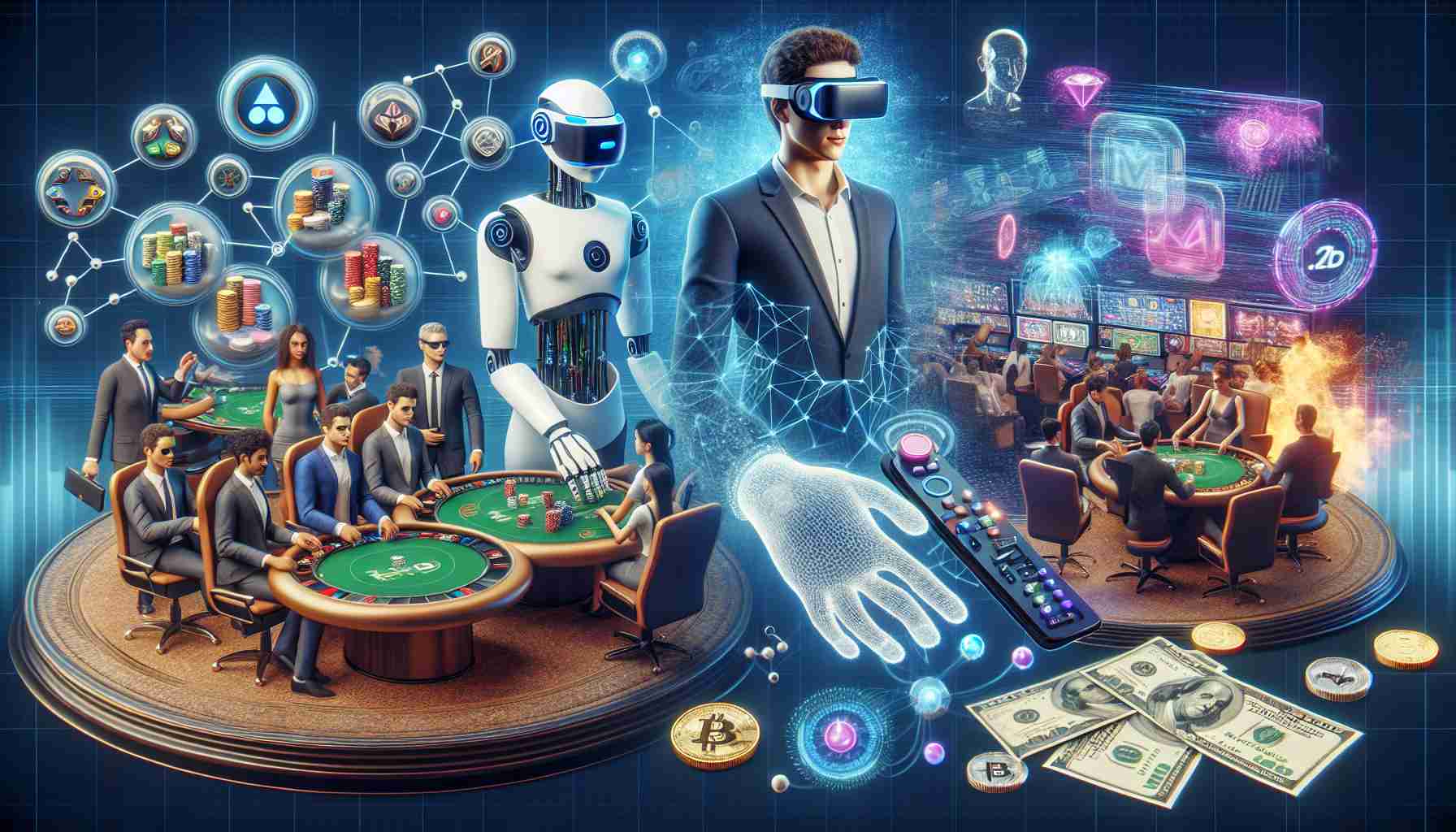
The world of online gambling has come a long way since the first digital casinos appeared on the web in the mid-1990s. Back then, playing a virtual slot machine or a simple game of blackjack on a home computer felt like a novelty. Fast forward a couple of decades, and the landscape of online casinos has undergone a dramatic transformation, driven by advances in technology that have made the virtual gaming environment more realistic, secure, and immersive than ever before.
What’s particularly fascinating is that these innovations don’t just matter to gamblers. Anyone interested in technology, user experience, or digital innovation can learn from the ways online casinos have evolved. By examining the parallels between gaming platforms and broader tech trends, we can glean insights into the future of online interaction and entertainment.
1. RNGs and Fair Play: The Algorithms Behind the Games
At the core of every online casino game lies a Random Number Generator (RNG). This piece of software ensures that outcomes—be it a slot machine’s spin or the draw of a digital card—are truly random. In the early days, skeptics questioned whether digital casinos could be trusted, fearing that the virtual “house” might manipulate results. Today, complex RNG algorithms and frequent audits by independent testing agencies have dispelled much of that distrust.
Technically savvy users can appreciate that RNGs rely on cryptographic methods and continuous data streams to produce results that are practically impossible to predict. This emphasis on transparency and fairness isn’t just a gambling necessity; it’s a signpost for an online world where trust and security are increasingly paramount. In a digital era characterized by data breaches and privacy concerns, the methods online casinos employ to ensure fairness could inspire solutions in other sectors, from e-commerce to digital voting systems.
2. Live Dealer Studios: Bridging Physical and Virtual Worlds
One of the most notable developments in online casinos has been the introduction of live dealer games. By streaming real human dealers from professional studios, operators have found a way to replicate the social ambiance of a brick-and-mortar casino floor. High-definition video feeds, multiple camera angles, and real-time chat functions allow players to interact with dealers and fellow gamblers as if they were seated around the same table.
From a tech perspective, this is no small feat. Achieving seamless, low-latency video streaming while managing global player inputs and maintaining secure payment processing is a masterclass in system integration. It’s a reminder that advanced technologies—5G networks, ultra-low latency streaming protocols, and robust content delivery networks—can bring once-impossible experiences to the masses.
3. Mobile Optimization: Gaming On-The-Go
The smartphone has revolutionized how we interact with digital content, and online casinos are no exception. Today’s top platforms are mobile-first, ensuring that players can spin a slot reel, place a bet, or join a poker tournament at any time, from anywhere. This shift required rethinking user interfaces, navigation flows, and payment methods to be thumb-friendly and responsive on smaller screens.
In essence, casinos are mirroring the broader trend in tech: meeting users where they are. The challenges they’ve overcome—optimizing for different devices, ensuring secure mobile payments, and keeping interfaces smooth and intuitive—offer lessons for any digital product aiming to engage users on the go. As we embrace wearables, augmented reality glasses, and other form factors, these design principles will only grow more important.
4. Blockchain and Cryptocurrencies: Reinventing Payment Systems
Some online casinos have begun accepting cryptocurrencies like Bitcoin and Ethereum, leveraging blockchain technology for transparent, fast, and low-fee transactions. For the tech enthusiast, this development illustrates how decentralized ledgers can solve persistent problems of trust, verification, and cross-border transactions.
Cryptocurrencies also appeal to players who value anonymity and immediate withdrawals. The implications go beyond gambling: if blockchain-based solutions can securely handle the high-volume, real-time payment needs of online casinos, they might be equally effective for other online services, from freelance marketplaces to streaming subscription platforms. The online casino industry, by embracing blockchain early, can serve as a testbed for these emerging financial models.
5. Artificial Intelligence: Personalized Recommendations and Safety
Much like how YouTube or Netflix recommend content based on viewing habits, online casinos are experimenting with AI-driven personalization. Machine learning algorithms can analyze a player’s gaming history to suggest new titles, table limits, or promotions that align with their preferences. Such intelligent systems can not only enhance the user experience but also help casinos stay competitive by retaining loyal players.
But AI’s role isn’t limited to marketing. Responsible gambling tools rely on machine learning to detect patterns of problematic play. By identifying early warning signs—unusual betting increments, erratic playing times, or chasing losses—these systems can prompt casinos to intervene, offering self-exclusion options or support resources. In the future, this kind of ethical AI integration could inspire other industries, encouraging responsible data-driven interactions rather than mere profit maximization.
6. Virtual Reality and Augmented Reality: Stepping into Digital Realms
While still on the cutting edge, Virtual Reality (VR) and Augmented Reality (AR) have the potential to transform online casinos into fully immersive environments. Imagine donning a VR headset and strolling through a digital casino lobby, selecting a roulette table with a flick of your wrist, or exploring themed slot rooms with stunning 3D graphics and ambient soundscapes.
From a technical standpoint, VR and AR casinos demand significant computing power, ultra-fast network speeds, and precision input controls. As these technologies mature, their influence will extend far beyond gaming. The tools and techniques being developed to power VR casinos—advanced motion tracking, realistic haptic feedback, and efficient rendering algorithms—could shape the future of virtual classrooms, telemedicine sessions, and remote collaboration.
7. Data Analytics and User Experience
In the online casino realm, data is king. Operators track everything from which games are most popular to how long users spend on specific titles. By analyzing player data, casinos can fine-tune their game offerings, streamline user interfaces, and identify the root causes of player churn. This data-driven approach is no different from what successful tech companies do to optimize user experiences across websites, apps, and platforms.
It’s a model that reminds us that continuous improvement isn’t just a buzzword. Through iterative testing, A/B experiments, and user feedback, online casinos demonstrate how digital products can evolve over time. Lessons learned here can inform developers, UX designers, and product managers in all fields, encouraging them to embrace iterative design and actionable analytics.
8. Security and Anti-Fraud Measures: A Digital Arms Race
As online casinos handle real money and sensitive personal information, security is paramount. Cutting-edge encryption, multi-factor authentication, and fraud detection algorithms work behind the scenes to protect both player and operator interests. The casino industry’s intense focus on security can teach valuable lessons about cybersecurity best practices, especially as cyber threats continue to evolve.
The tools honed in this digital arms race—machine learning-based fraud detection, biometric authentication, and tokenized payment methods—have applicability far beyond online casinos. Any organization managing digital transactions and personal data can benefit from observing how casinos counteract hackers and fraudsters.
Looking Ahead: A Unified Vision of Future Digital Experiences
The evolution of online casinos underscores the broader trajectory of internet technology: a relentless push toward more immersive, personalized, and secure experiences. Just as streaming services, e-commerce platforms, and social networks have harnessed technology to transform how we consume media, shop, and connect, online casinos are leveraging similar tools to redefine digital entertainment.
In a future where VR headsets, AI-driven personalization, blockchain payments, and global streaming networks are the norm, the lines between different online experiences will blur. Techniques developed for virtual blackjack tables might find their way into virtual conferences. Payment solutions refined for slot tournaments could streamline international freelance payments. The underlying principles—fairness, transparency, user-centric design, and robust security—will resonate across countless digital products and services.
Conclusion: More Than Just Games of Chance
While at first glance, online casinos appear to serve a single purpose—gambling entertainment—their technological innovations have ripple effects that extend far beyond the gaming sphere. By perfecting RNG algorithms, exploring VR and AR applications, adopting blockchain solutions, and applying AI-driven analytics, online casinos have become a microcosm of digital innovation.
These developments reflect an overarching trend: as technology grows more advanced, we’re all participants in a massive experiment to create more engaging, secure, and personalized digital experiences. Whether you’re an avid player, a curious tech enthusiast, or an industry professional, the evolution of online casinos offers valuable insights into the future of how we work, play, and interact online.
