

In the dynamic environment of construction, changes are inevitable. Whether due to unforeseen site conditions, design modifications, or client requests, managing these changes effectively is crucial for project success. This article delves into how to manage changes in construction, highlighting essential change management strategies and best practices for construction change management.
Understanding Change Management in Construction
Change management in construction involves systematically handling alterations to the project scope, schedule, or cost to minimize disruptions and ensure that the project objectives are met. Effective change management ensures that changes are documented, evaluated, and implemented efficiently, keeping the project on track.
Common Types of Changes in Construction Projects
1. Design Changes
- Modifications in the project design, often requested by clients or due to technical issues.
Scope Changes
- Alterations in the project’s work scope, which can impact time and budget.
Material Changes
- Substitutions or changes in the materials specified for the project.
Schedule Changes
- Adjustments in the project timeline due to delays or accelerations.
Key Change Management Strategies1. Establish a Change Management Plan
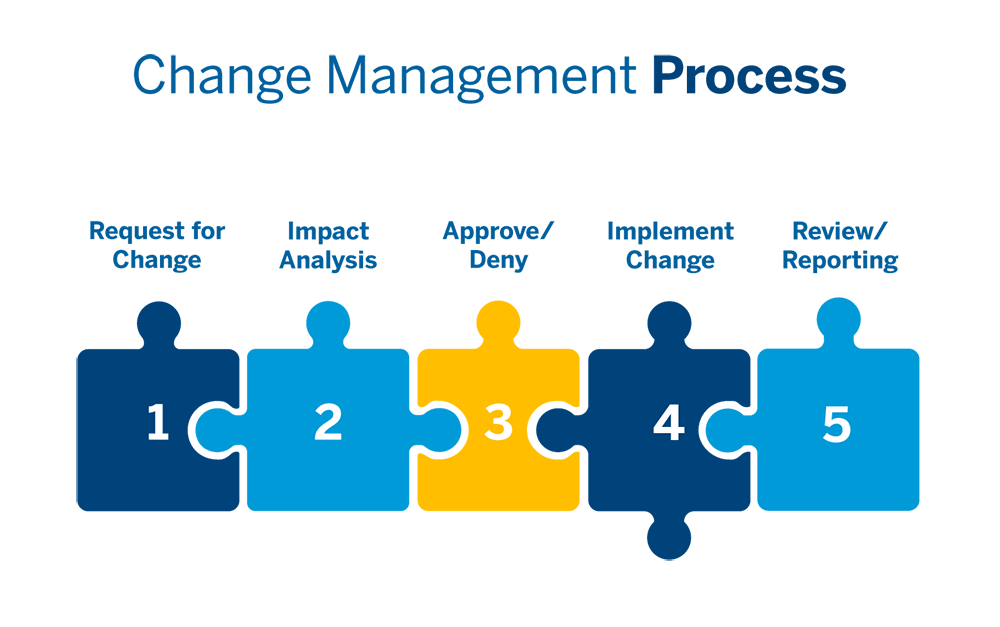
A robust change management plan is foundational for handling changes effectively. This plan should outline the procedures for identifying, documenting, and approving changes.
- Develop Clear Protocols: Define clear protocols for how changes are proposed, reviewed, and approved.
- Assign Responsibilities: Identify the roles and responsibilities of team members in managing changes.
2. Effective Communication
Clear and consistent communication is essential for managing changes in construction projects.
- Regular Updates: Keep all stakeholders informed about potential changes and their implications.
- Feedback Mechanisms: Establish channels for team members to provide feedback and report issues promptly.
3. Document Everything
Documentation is crucial for tracking changes and ensuring accountability.
- Change Request Forms: Use standardized forms to document all change requests, including details, reasons, and impacts.
- Maintain Records: Keep comprehensive records of all communications, approvals, and modifications.
4. Conduct Impact Analysis
Before implementing any change, conduct a thorough impact analysis to understand its effects on the project.
- Assess Costs: Determine the financial implications of the change, including additional costs or savings.
- Evaluate Schedule Impact: Analyze how the change will affect the project timeline.
- Quality Considerations: Consider how the change will impact the quality and performance of the project.
5. Obtain Necessary Approvals
Ensure that all changes are formally approved by the relevant stakeholders before implementation.
- Client Approval: Obtain written approval from the client for any changes that affect the project scope or cost.
- Internal Sign-Offs: Secure approvals from project managers, engineers, and other relevant team members.
6. Implement Changes Systematically
Once a change is approved, implement it in a controlled and systematic manner.
- Update Project Plans: Revise project schedules, budgets, and plans to reflect the change.
- Communicate Changes: Inform all team members and stakeholders about the change and its implications.
7. Monitor and Review
Continuously monitor the implementation of changes and review their impact on the project.
- Track Progress: Use project management tools to track the progress of implemented changes.
- Conduct Reviews: Regularly review the outcomes of changes to ensure they achieve the desired objectives.
Best Practices for Construction Change Management
1. Proactive Risk Management
- Anticipate potential changes by conducting risk assessments during the planning phase.
Engage Stakeholders Early
- Involve clients, contractors, and other stakeholders early in the process to align expectations and minimize resistance.
Use Technology
- Leverage project management software to streamline change management processes and improve transparency.
Training and Development
- Train your team in change management practices and encourage continuous improvement.
Effectively managing changes in construction projects is essential for maintaining project control, ensuring quality, and meeting client expectations. By establishing a robust change management plan, maintaining clear communication, documenting everything, conducting thorough impact analyses, obtaining necessary approvals, implementing changes systematically, and continuously monitoring progress, construction managers can navigate changes successfully. Adopting these change management strategies will help ensure that your construction projects remain on track, within budget, and aligned with the intended outcomes. So Construction Management Company is very important.
