


Kenya is magical. Its land is full of animals, birds, and nature that make the heart jump with joy. Many people come to Kenya for safaris, and if you want to see wildlife up close, Nairobi Day Safari is the perfect start. This trip also takes you to Masai Mara, the place where the Great Migration happens every year. You can see millions of wildebeest, zebras, and gazelles moving. It’s unbelievable; you never forget.
National Park Day Safari
Nairobi National Park is near the city, just a 30-minute drive from Nairobi. People think wildlife is far, but here it is close. Lions, giraffes, rhinos, and zebras live free here. When you drive a safari car, you see them eating, playing, and sleeping. It’s amazing for a first-time visitor. Safari guides show many animals and explain things. You can take photos, very close but safe.
Morning starts early. The sun rises, and animals wake. Birds sing, and the air is fresh. Jeep moves slowly, and you feel nature. Sometimes you see cheetahs running. Other times, elephants walk slowly in water. Park is small but has a big heart. After the safari, have lunch in the city, rest, and then prepare for the Masai Mara journey.
Great Migration Masai Mara
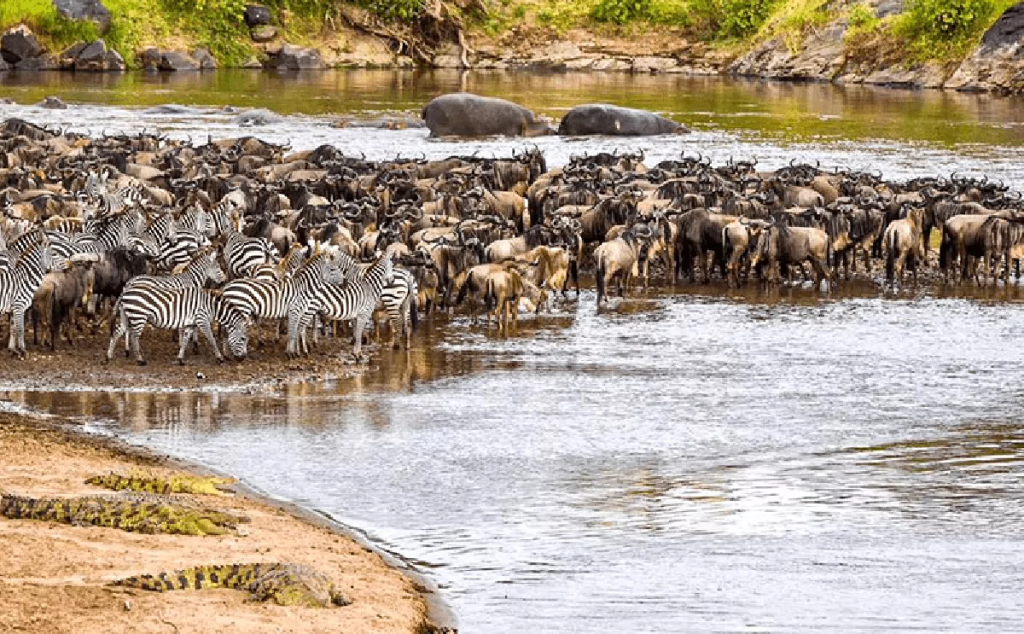
Great Migration Masai Mara is famous worldwide. Every year, around July to October, millions of wildebeest migrate from Serengeti to Mara. It’s a great adventure. You see rivers full of animals, crocodiles waiting. Lions, cheetahs, and hyenas hunt. Very dramatic, very wild. Safari guides know the best spots. You can spend hours watching one crossing.
The landscape changes every step. Grass green, trees small. The sky is big, and the clouds move. Animals move too; big herds never stop. Photography here is perfect. Camera ready, lens ready, heart ready. Sometimes dust flies, sometimes the sun shines bright. It’s Africa, real Africa.
Birds of Masai Mara
Birds of Masai Mara are not just big animals. Birds everywhere. Eagles fly high, storks walk in rivers, and colorful bee-eaters sit on branches. Bird lovers are happy here. Every morning, different sounds, different colors. Guides help find rare birds. You see hornbills, vultures, rollers, and more. Some birds are small, some big. Some sing, some are quiet. But all make safari special.
You walk a little in some areas, which are very safe. Camera zoom, click. Birds make nice pictures. Sometimes animals near birds have funny moments. Birdwatching adds magic to big migration adventures.
Masai Mara Trip Cost
People ask, “How much does a Masai Mara trip Cost?” Depends on how long, where you stay, and what car. A day safari in Nairobi is cheaper, maybe 100–150 USD. The Masai Mara full trip is longer, 3–4 days, and costs 500–800 USD per person. Luxury lodges cost more, 1000 USD plus. Jeep with guide, fuel, and park fees included in price. Food, drinks, and tips are sometimes extra.
Travel agents help; booking early is better. The season from July to October is busy, and prices are higher. Other times, cheaper but not full. Still animals, still adventure. Budget enough, plan smart, and you enjoy without worry.
What to Expect on Safari
Safari is not boring, not easy, and full of surprises. Animals move fast and sometimes hide. Sun hot, dust everywhere. The Jeep bumps on the road and shakes, and there is laughter everywhere. Guides explain and show the story of animals. Kids love it, and adults are happy too. Breakfast under a tree, lunch near a river, and dinner at a lodge with stars above.
Night sometimes cold, lodge cozy. Stories around a fire. You see a sky full of stars, and the Milky Way is very clear. Safari is different from city life. Phones work less, but eyes open more. Heart full more.
Best Time to Visit
If you want migration, July–October is best. Grass green, many animals, rivers crossing. If you love birds, any time is good. The dry season is good for seeing big cats and easy tracking. Rainy season, fewer tourists, roads tough, but landscape beautiful, animals near water. Decide what you love, and plan trips.
Tips for Travelers
- Wear light clothes, a hat, and sunscreen.
- Shoes are comfortable; jeep bumps sometimes.
- Camera, binoculars, extra batteries.
- Respect animals; no noise, no feeding.
- Listen, guide, follow rules, and be safe.
Safari is fun, but safety first. Animals are wild and unpredictable. Kids need to watch, and old people need care. But when you see a lion yawning, an elephant walking, or a zebra running, your heart will forget your worries.
Packing List
- Light shirts, trousers, and hats.
- Sunglasses, sunscreen, and insect repellent.
- Camera, tripod, binoculars.
- Water bottle, snacks.
- Jacket for cold morning, small backpack.
Pack light but smart. Jeep small luggage needs to fit. Travel easy, enjoy more.
Cultural Experience
Masai people have lived here for a long time. Visit villages and see traditional houses, dances, and food. Very friendly, and smiles everywhere. You learn about culture, history, and lifestyle. Take photos with permission. Small souvenirs sometimes. The cultural tour is short but meaningful.
Nature Everywhere
Kenya is full of life. Trees, rivers, sky, animals, birds—everything connects. Safari makes you feel small, nature big. Listen to the wind, smell the grass, and see the sunrise over the savanna. Memories forever. Every day is different; every hour is a surprise. You learn patience, respect, and love for wildlife.
Conclusion
Nairobi National Park Day Safari and Masai Mara Great Migration Adventures are amazing. Close to the city, easy start. Then Masai Mara, big migration, rivers, lions, cheetahs, and birds everywhere. Budget many options, adventure suitable for all ages. Guides helpful, food good, lodge comfortable. The trip mixes wildlife, photography, culture, and nature. Heart full of joy, eyes full of view.
FAQs
Q1: How long is the Nairobi Day Safari?
A1: Usually 4–6 hours, morning or afternoon.
Q2: When is the Great Migration best?
A2: July to October, when animals cross the Mara River.
Q3: Can we see birds on a Masai Mara safari?
A3: Yes, many birds, colorful and rare species.
Q4: How much does the Masai Mara trip cost?
A4: Around 500–800 USD for 3–4 days, depending on the lodge and car.
Q5: Is it safe for kids?
A5: Yes, with a guide and careful watching, kids enjoy it a lot.
