

Shipping a car internationally involves meticulous planning, understanding regulations, and selecting the right shipping method to ensure your vehicle arrives safely and timely at its destination. Whether relocating for work, moving abroad, or purchasing a vehicle from overseas, this comprehensive guide covers essential considerations and steps for shipping your car internationally.
Understanding International Vehicle Shipping
1. Reasons for International Car Shipping: International car shipping is necessary for various reasons, including relocation, temporary stays abroad, purchasing vehicles from international sellers, or participating in events like rallies or exhibitions. Understanding your specific needs will help determine the most suitable shipping method.
2. Types of International Car Shipping Services: There are two primary methods for shipping cars internationally:
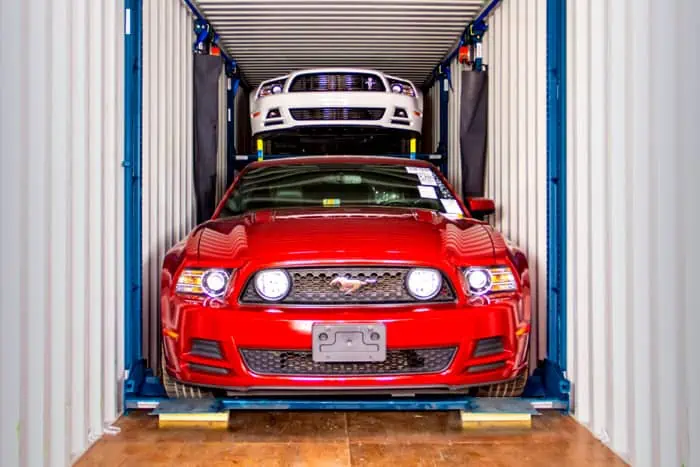
- Container Shipping: Your vehicle is loaded into a container (20ft or 40ft) and securely transported. This method provides added protection from weather and external elements.
- Roll-on/Roll-off (RoRo) Shipping: Vehicles are driven onto the ship’s deck and secured in place. RoRo is typically more cost-effective but offers less protection compared to container shipping.
Steps to Prepare for International Car Shipping
1. Research and Select a Reliable Shipping Company: Choose an experienced and reputable international auto transport provider. Verify their credentials, including licenses, insurance coverage, and customer reviews. Request quotes and compare services offered by different companies to find the best fit for your needs.
2. Obtain Necessary Documentation: Gather essential documents required for international car shipping, such as:
- Vehicle title and registration
- Proof of ownership (bill of sale or purchase invoice)
- Identification (passport or driver’s license)
- Customs clearance forms and import/export permits
3. Prepare Your Vehicle for Shipping: Before shipping your car, complete the following preparations:
- Clean the interior and exterior of the vehicle to facilitate inspection.
- Remove personal belongings and valuables from the car.
- Disable or deactivate the car alarm system.
- Ensure the fuel tank is less than a quarter full (RoRo shipping requirement).
Choosing Between Container and RoRo Shipping
1. Container Shipping:
- Pros: Enhanced security and protection from weather and potential damage.
- Cons: Higher cost compared to RoRo shipping, additional logistics for loading/unloading.
2. Roll-on/Roll-off (RoRo) Shipping:
- Pros: Cost-effective, straightforward loading/unloading process.
- Cons: Limited protection from weather and potential damage.
Customs Clearance and Regulations
1. Understand Import/Export Regulations: Research and comply with customs regulations and import/export requirements specific to the destination country. This includes duties, taxes, emissions standards, and vehicle inspection criteria.
2. Work with a Customs Broker: Consider hiring a customs broker or freight forwarder familiar with international shipping procedures. They can facilitate customs clearance, ensure compliance with regulations, and expedite the process.
Insurance Coverage and Protection
1. Arrange Comprehensive Insurance: Prioritize securing adequate insurance coverage for your vehicle during international transit. Verify the extent of coverage offered by the shipping company and consider purchasing additional insurance for comprehensive protection against potential risks.
Finalizing the Shipping Process
1. Schedule Pickup and Delivery: Coordinate logistics with the shipping company for vehicle pickup, loading, and transportation to the departure port. Confirm delivery arrangements at the destination port and arrange for transportation from the port to your final destination.
2. Track Shipment and Maintain Communication: Utilize shipment tracking services provided by the shipping company to monitor your vehicle’s location and status throughout the transit process. Maintain open communication with the shipping company for updates and address any concerns promptly.
Shipping your car internationally requires careful planning, adherence to regulations, and selecting a trusted shipping provider. By following this comprehensive guide and understanding the nuances of international vehicle shipping, you can navigate the process smoothly and ensure your vehicle arrives safely and efficiently at its international destination. Whether moving abroad or purchasing a vehicle overseas, proper preparation and choosing the right shipping method are essential for a successful international car shipping experience.
