

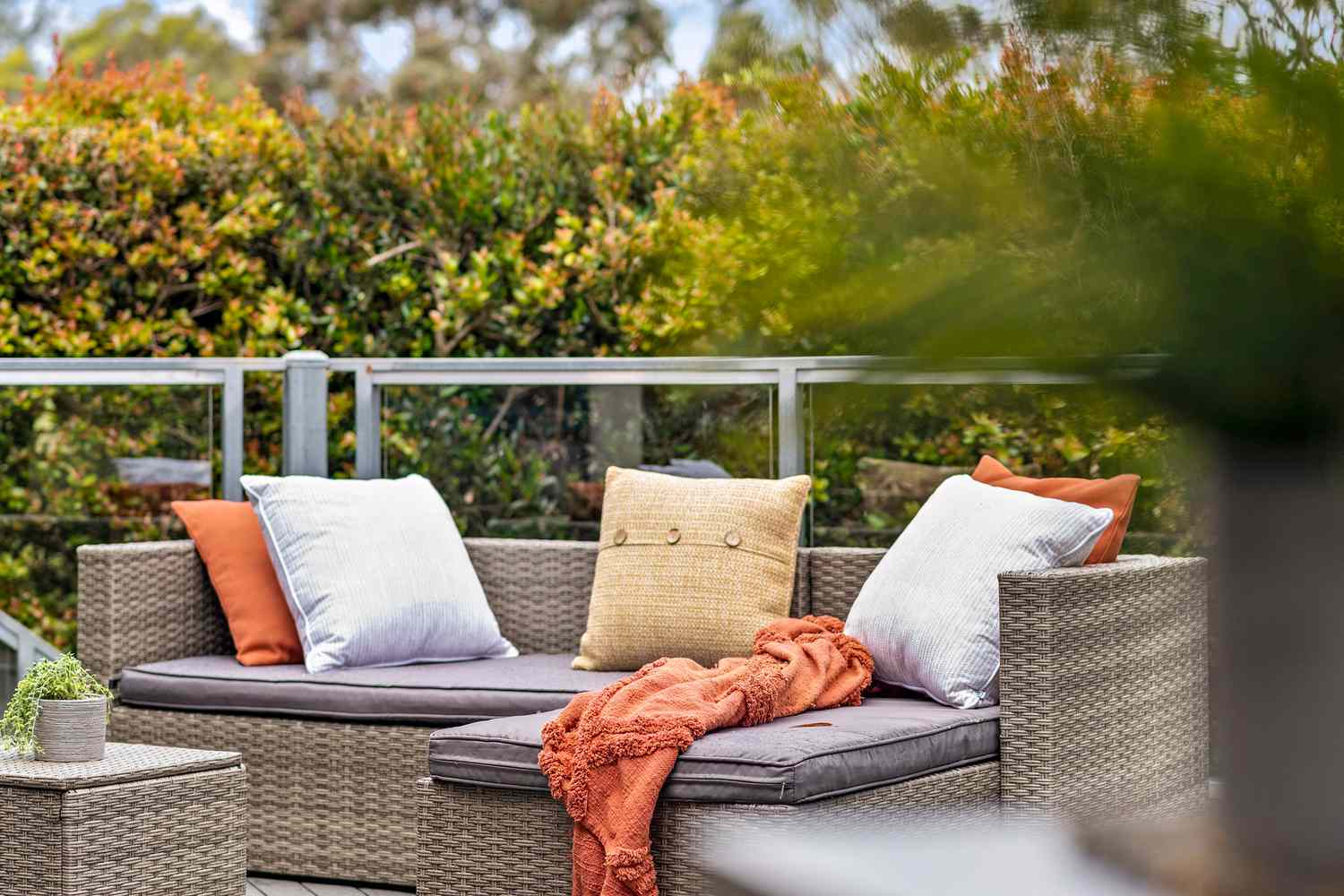
Investing in outdoor furniture is a great way to enhance your garden, patio, or deck, creating a comfortable and inviting space for relaxation and entertaining. However, to keep your outdoor furniture looking its best and ensure it lasts for years, proper maintenance is essential. Different materials require different care routines, and with exposure to the elements, your furniture needs regular attention to stay in top condition. In this ultimate guide, we’ll walk you through the best practices for maintaining your outdoor furniture year-round, so you can protect your investment and enjoy your outdoor space in style.
1. Understanding Your Furniture Materials
The first step in maintaining your outdoor furniture is to understand the materials it’s made from, as each type has unique care requirements. Common outdoor furniture materials include wood, metal, wicker, and plastic, each with its own maintenance needs.
Wooden Furniture
Wooden outdoor furniture, such as teak, cedar, or eucalyptus, is popular for its natural beauty and durability. However, wood is susceptible to weathering, especially if left untreated.
- Teak: Teak is naturally resistant to water and decay, but it will develop a silvery-gray patina over time if not treated. To maintain its original color, clean it regularly with soapy water and apply a teak sealer or oil once or twice a year.
- Cedar and Eucalyptus: These woods are also durable but benefit from regular cleaning and the application of a wood sealant to protect against moisture and UV damage.
Metal Furniture
Metal furniture, including aluminum, wrought iron, and steel, is known for its strength and modern aesthetic. However, metal can be prone to rust and corrosion if not properly maintained.
- Aluminum: Aluminum is rust-resistant but should be cleaned with mild soap and water to remove dirt and prevent pitting. A protective wax coating can add extra protection.
- Wrought Iron and Steel: These metals are more prone to rust, so they require regular inspection for chips or scratches in the finish. Touch up any exposed areas with paint to prevent rust from forming. Additionally, store or cover metal furniture during harsh weather to protect it.
Wicker and Rattan Furniture
Wicker and rattan furniture, especially synthetic versions, are popular for their natural look and durability. However, these materials can collect dirt and debris in their woven design.
- Synthetic Wicker: Clean synthetic wicker with a soft brush and mild soap solution. Avoid using abrasive cleaners that could damage the finish. Rinse thoroughly and allow it to dry completely before use.
- Natural Rattan: Natural rattan is more delicate and should be cleaned gently with a damp cloth. Avoid exposing it to excessive moisture, as this can cause the material to deteriorate over time.
Plastic and Resin Furniture
Plastic and resin furniture is lightweight, affordable, and low-maintenance, making it a popular choice for outdoor settings. However, it can fade or become brittle with prolonged sun exposure.
- Plastic/Resin: Clean with a solution of mild soap and water, using a soft cloth or sponge. To prevent fading, consider storing plastic furniture indoors during the off-season or covering it with UV-resistant covers.
Key Takeaway:
- Understanding the materials of your outdoor furniture is crucial for proper maintenance, as each material requires different care to protect it from the elements.
2. Seasonal Maintenance Tips
Outdoor furniture is exposed to varying weather conditions throughout the year, from the heat of summer to the cold and moisture of winter. Seasonal maintenance ensures your furniture stays in good condition no matter the season.
Spring
Spring is the perfect time to prepare your outdoor furniture for the upcoming warm months.
- Deep Clean: Start by giving your furniture a thorough cleaning to remove any dirt, pollen, or mold that may have accumulated during the winter. Use the appropriate cleaning methods for your furniture’s material.
- Inspect and Repair: Check for any signs of damage, such as loose screws, cracked wood, or rust spots. Repair any issues before they worsen.
- Protective Treatments: Apply protective treatments, such as sealants, oils, or waxes, to shield your furniture from UV rays and moisture.
Summer
During the summer, your outdoor furniture will see the most use and exposure to the sun.
- Regular Cleaning: Wipe down your furniture regularly to remove dust, pollen, and food spills. This helps prevent staining and keeps your furniture looking fresh.
- Shade and Covers: Consider using umbrellas, shade sails, or furniture covers to protect your furniture from direct sun exposure, which can cause fading and deterioration.
- Monitor Moisture: After rain showers, wipe down any standing water on your furniture to prevent water damage, especially for wooden and metal pieces.
Fall
As the weather cools down, it’s time to prepare your outdoor furniture for the winter months.
- Clean and Store Cushions: Clean and store cushions and pillows indoors to protect them from moisture and cold temperatures.
- Cover or Store Furniture: If possible, store your furniture in a shed, garage, or under a protective cover to shield it from the elements. Ensure that the furniture is completely dry before covering to prevent mold and mildew.
- Apply a Final Treatment: For wooden furniture, consider applying a final coat of sealant or oil before storing it for the winter. This extra layer of protection will help preserve the wood during the colder months.
Winter
During winter, your outdoor furniture will need extra protection from cold, wet, and snowy conditions.
- Store Indoors: If you have the space, store your outdoor furniture indoors during the winter months. This is the best way to protect it from harsh weather.
- Use Protective Covers: If indoor storage is not an option, use high-quality, waterproof furniture covers. Make sure the covers are secure and allow for airflow to prevent condensation buildup underneath.
- Check Periodically: Periodically check your covered furniture throughout the winter to ensure the covers are intact and the furniture remains dry and protected.
Key Takeaway:
- Seasonal maintenance is essential to protect your outdoor furniture from the varying weather conditions throughout the year, ensuring it stays in top condition.
3. Long-Term Care and Preservation
Beyond seasonal maintenance, there are several long-term care strategies that can extend the life of your outdoor furniture and keep it looking its best for years to come.
Invest in Quality Covers
High-quality furniture covers are one of the best investments you can make for your outdoor furniture. These covers protect against UV rays, rain, snow, and dirt, significantly reducing the wear and tear on your furniture. Choose covers that are made from breathable, waterproof materials to prevent moisture buildup and mold growth.
Regular Inspections
Regularly inspect your outdoor furniture for signs of wear and tear, such as rust, loose joints, or fading. Addressing these issues early can prevent them from becoming more serious problems. Tighten screws, sand down rough spots, and apply touch-up paint or sealant as needed.
Avoid Harsh Chemicals
When cleaning your outdoor furniture, avoid using harsh chemicals or abrasive cleaners that could damage the finish. Stick to mild soap and water or specialized cleaners designed for the specific material of your furniture.
Rotate Furniture Placement
If possible, rotate the placement of your outdoor furniture throughout the year. This helps distribute exposure to sunlight and weather, preventing one side from fading or wearing out more quickly than the others.
Key Takeaway:
- Long-term care strategies, including using quality covers, regular inspections, and proper cleaning techniques, will help preserve your outdoor furniture and extend its lifespan.
Maintaining your outdoor furniture year-round requires a combination of regular cleaning, seasonal care, and long-term preservation strategies. By understanding the unique needs of your furniture’s materials, following seasonal maintenance routines, and investing in protective measures, you can keep your outdoor furniture looking beautiful and functional for many years. Whether you have a wooden dining set, a metal lounge chair, or a wicker sofa, proper maintenance will ensure that your outdoor space remains a comfortable and inviting retreat through every season.
Find a house in Sofia and make it your home.
