

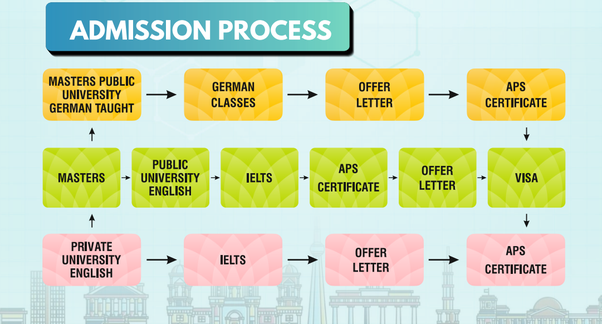
Pursuing a master’s degree can significantly advance your career and deepen your knowledge in a specific field. However, navigating the admission process for master’s programs can be complex and daunting. This guide will help you understand the steps involved inmaster’s admissions and provide you with tips on how to apply successfully.
1. Research Programs and Universities
The first step in the admission process is researching different master’s programs and universities to find the ones that best match your academic interests, career goals, and personal preferences. Consider factors such as:
- Program Curriculum: Ensure the courses and specializations align with your interests.
- Faculty: Look at the expertise and reputation of the faculty members.
- Location: Decide whether you prefer to study locally, out of state, or abroad.
- Cost: Consider tuition fees and the availability of financial aid or scholarships.
2. Check Admission Requirements
Each master’s program has specific admission requirements that you must meet. Common requirements include:
- Academic Qualifications: A bachelor’s degree from an accredited institution is typically required. Some programs may have specific prerequisite courses.
- GPA: Many programs have a minimum GPA requirement.
- Standardized Tests: Some programs require GRE or GMAT scores. Check if your program requires these and prepare accordingly.
- Work Experience: Certain programs, especially MBA and professional degrees, may require relevant work experience.
3. Prepare Application Materials
Once you’ve identified your programs of interest, gather the necessary application materials. These typically include:
- Application Form: Complete the application form for each program.
- Transcripts: Provide official transcripts from all post-secondary institutions you have attended.
- Letters of Recommendation: Most programs require two to three letters of recommendation from professors or professional references.
- Statement of Purpose: Write a compelling essay explaining your academic interests, career goals, and reasons for choosing the program.
- Resume/CV: Highlight your academic achievements, work experience, research, and any relevant skills or certifications.
- Test Scores: Submit GRE, GMAT, or other standardized test scores if required.
4. Apply Early
Applying early can increase your chances of admission and securing financial aid. Many programs have multiple application rounds, with early deadlines often offering better chances for admission and scholarships. Mark important deadlines on your calendar and start preparing your application materials well in advance.
5. Financial Aid and Scholarships
Investigate financial aid options to help fund your education. Many universities offer scholarships, grants, and assistantships to graduate students. Additionally, consider external scholarships from organizations and foundations. Submit all required financial aid forms by the deadlines to be considered for these opportunities.
6. Prepare for Interviews
Some programs require an interview as part of the admission process. This can be an opportunity to showcase your passion for the field and demonstrate your fit for the program. Prepare by:
- Researching the Program: Understand the program’s strengths and how they align with your goals.
- Practicing Common Questions: Practice answering common interview questions about your background, goals, and why you chose the program.
- Dressing Professionally: Treat the interview as a formal occasion, even if it is conducted virtually.
7. Follow Up
After submitting your applications, follow up to ensure all materials have been received. Some universities provide application portals where you can track the status of your application. If you do not hear back within the expected timeframe, consider contacting the admissions office for an update.
8. Decision and Enrollment
Once you receive admission offers, carefully review each program’s details, including curriculum, faculty, resources, and financial aid packages. Make an informed decision and follow the enrollment instructions provided by the university. Inform other programs of your decision to withdraw your application if necessary.
Understanding the admission process for master’s degrees and knowing how to apply effectively can help you navigate this critical step in your academic journey. By researching programs, preparing your application materials, applying early, and seeking financial aid, you can increase your chances of gaining admission to your desired program. With careful planning and preparation, you can take this important step towards achieving your educational and career goals.
Many private schools in Varna offer different specializations.
